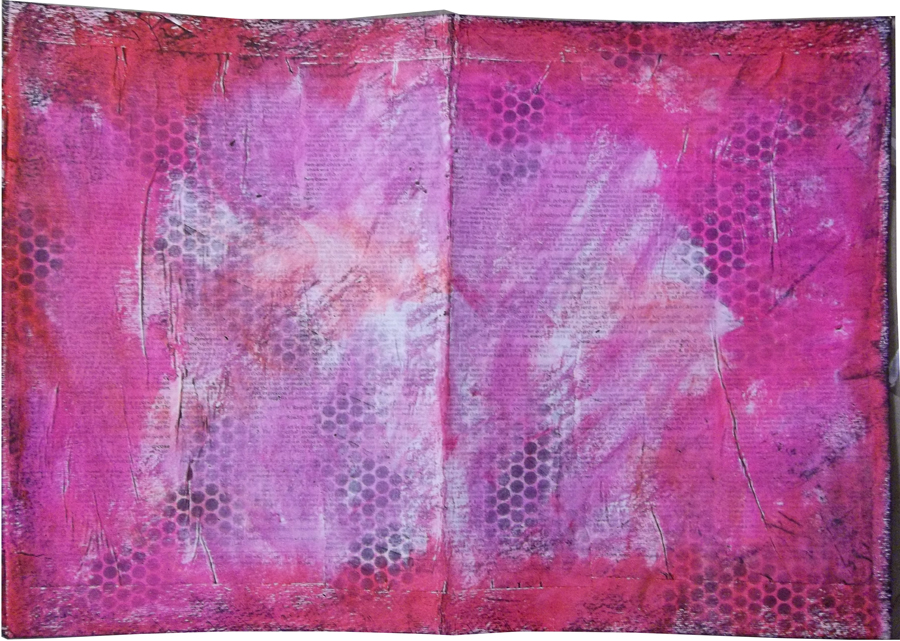
How to create a simple, flexible background.
Category: Background Techniques
Beautiful backgrounds can make or break a mixed media piece. There are as many background techniques as there are artists using them. Here are just a few of the many options.

A Quick Circle Background
This is a simple background that uses a repeating circular motif.
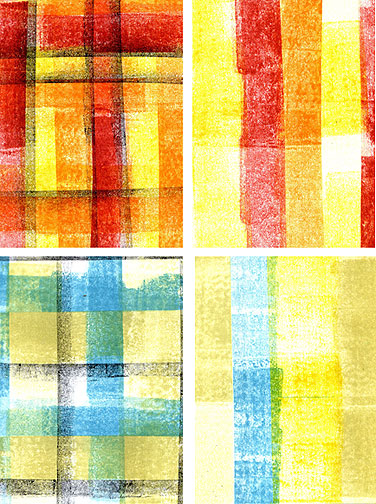
Striped Brayered Backgrounds
Use a brayer and Distress inks to create simple stripes and plaids.
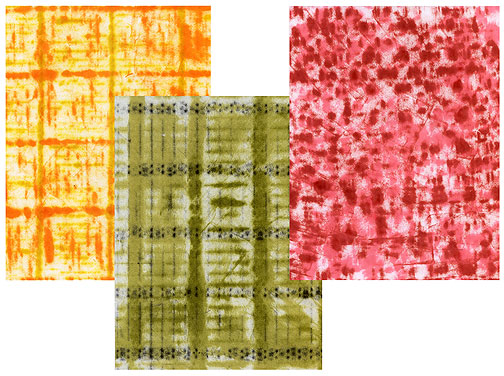
Placemat Textured Papers
Use dollar store placemats to create papers with interesting textures.
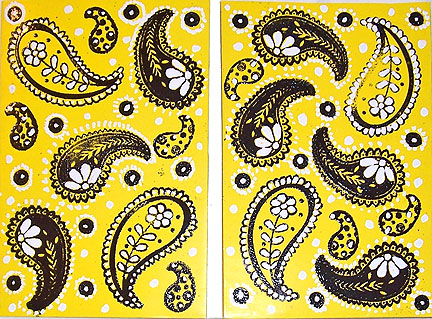
The Bandana Effect
This simple technique creates an effect that looks like a bandana print.
Sponge Painting
A quick video on sponge painting on bottles.
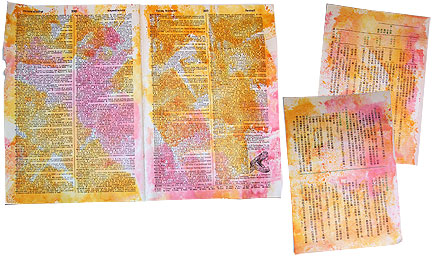
Distress Ink Backgrounds
Use Distress Inks to create beautifully toned background papers.
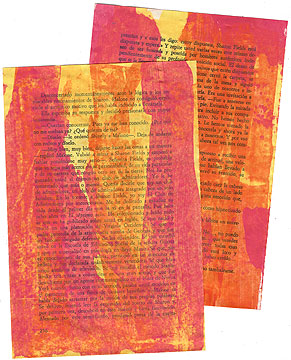
Credit Card Painting
Put all those fake credit cards and used up gift cards to use as paint applicators.
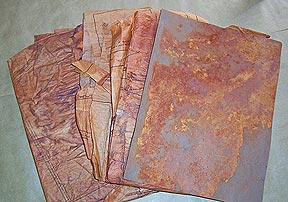
The Rust Guide
Everything you ever wanted to know about making things rust.
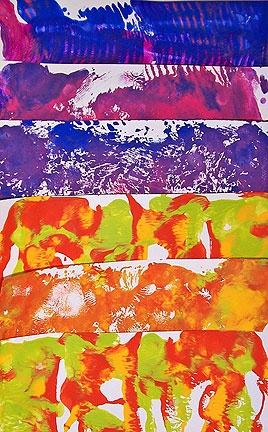
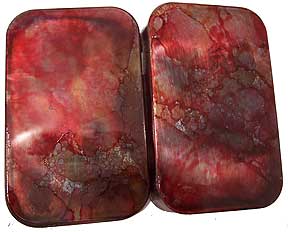
Polished Stone on Metal
Use alcohol inks on metal to create an interesting effect.
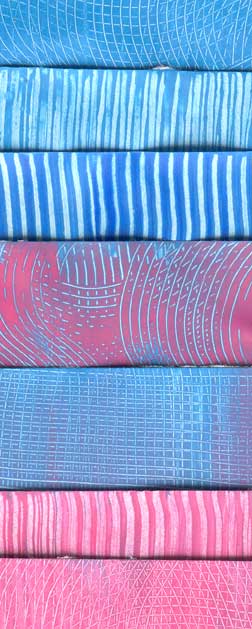
Easy Paste Papers
My super-simple method of making these popular papers.